> > India >> States >> Uttar Pradesh
Jhansi is a historic city in the Indian state of Uttar Pradesh. It lies in the Bundelkhand region and is often referred to as the Gateway to Bundelkhand. The city is located between the Pahuj and Betwa rivers at an average elevation of about 285 meters (935 ft).
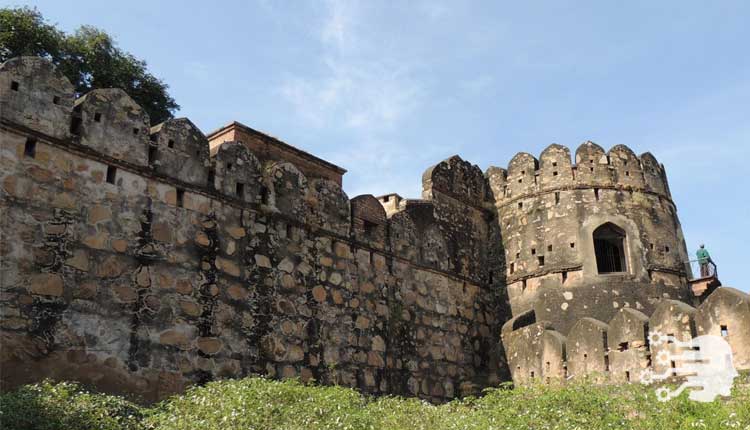
Jhansi is also known for its historical importance during the Indian Rebellion of 1857 and for its association with Rani Lakshmibai.
According to provisional reports of the Census of India, the population of Jhansi city in 2011 was 505,693 (5.05 lakh). The estimated population of Jhansi city in 2026 is around 7 lakh.
Census Quick Facts
The city covers an area of about 150 sq. km and had a population density of 3,371 people per sq. km in 2011.
| Jhansi City | Total | Male | Female |
|---|---|---|---|
| Population (2011) | 505,693 (5.05 Lakh) | 265,449 | 240,244 |
| Children (0–6 years) | 55,824 | 29,919 | 25,905 |
| Average Literacy Rate | 83.02% | 88.90% | 76.57% |
| Sex Ratio | 905 | ||
| Child Sex Ratio | 866 |
Source: Census 2011
Jhansi Historical Population
Jhansi has experienced steady population growth over the past century, particularly after independence due to urban development and improved connectivity in the Bundelkhand region.
According to the 2011 Census, Jhansi recorded a population growth rate of 18.65% between 2001 and 2011. The growth rate is estimated to have slowed slightly to around 11% between 2011 and 2021.
Population Growth of Jhansi City
| Year | Population | Actual Change | Percentage Change |
|---|---|---|---|
| 1901 | 55,724 | – | – |
| 1911 | 70,208 | 14,484 | 25.99% |
| 1921 | 66,432 | -3,776 | -5.38% |
| 1931 | 64,591 | -1,841 | -2.77% |
| 1941 | 88,099 | 23,508 | 36.40% |
| 1951 | 106,333 | 18,234 | 20.70% |
| 1961 | 140,217 | 33,884 | 31.87% |
| 1971 | 173,292 | 33,075 | 23.59% |
| 1981 | 246,172 | 72,880 | 42.06% |
| 1991 | 317,844 | 71,672 | 29.11% |
| 2001 | 426,198 | 108,354 | 34.09% |
| 2011 | 505,693 | 79,495 | 18.65% |
| 2021 (estimate) | 560,000 | 54,307 | 10.74% |
Source: Census 2011
Jhansi District Population
Jhansi district is one of the important districts of the Bundelkhand region in northern India. The city of Jhansi serves as the district headquarters.
According to the 2011 Census, the district had a population of 1,998,603 (about 20 lakh). The district recorded a population growth rate of 14.54% between 2001 and 2011.
The estimated population of Jhansi district in 2026 is around 24 lakh.
Jhansi District Census 2011
| Jhansi District | Census 2011 |
|---|---|
| Total Population | 1,998,603 |
| Population Density | 398 per sq. km |
| Literacy Rate | 69.68% |
| Sex Ratio | 890 |
| Urban Population | 41.70% |
| Scheduled Castes | 28.14% |
| Scheduled Tribes | 0.19% |
Religion in Jhansi District
The majority of people in Jhansi district follow Hinduism, while Islam is the second-largest religion.
Religious Composition
| Religion | Percentage |
|---|---|
| Hinduism | 91.26% |
| Islam | 7.40% |
| Other / Not Stated | 1.34% |
Languages Spoken in Jhansi District
Hindi is the dominant language spoken in the district, while Bundeli is a common regional dialect used in the Bundelkhand region.
Language Distribution
| Language | Percentage |
|---|---|
| Hindi | 95.35% |
| Bundeli | 3.36% |
| Others | ~1.29% |
Source: Census 2011
Know more about Uttar Pradesh