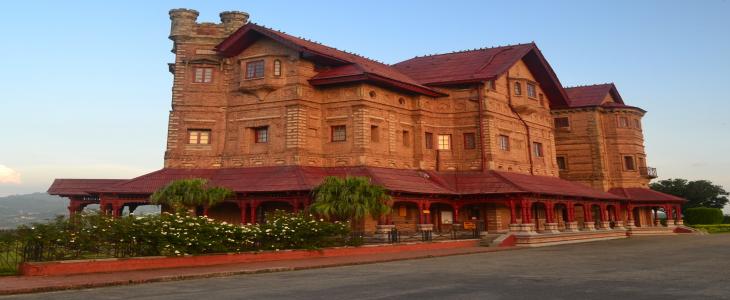
Sagar is a major city in the central Indian state of Madhya Pradesh. The city is located about 160 km northwest of Jabalpur and nearly 172 km northeast of the state capital Bhopal. It serves as an important administrative, educational, and commercial hub in the Bundelkhand region.
As per provisional reports of Census India, the population of Sagar City in 2011 was 2,73,357 (2.73 lakh). The city recorded steady urban growth over the past decade, supported by improving infrastructure and regional connectivity. The estimated population of Sagar in 2026 is around 3.40 lakh, reflecting continued expansion and migration from surrounding rural areas.
👉 Estimated Population of Sagar in 2026: ~3.40 lakh
Census 2011 Details
| Indicators | Value |
|---|---|
| Total Population | 2,73,357 (2.73 lakh) |
| Male Population | 1,42,655 |
| Female Population | 1,30,702 |
| Density of Population | 5,467 per sq. km |
| Average Literacy (%) | 90.23% |
| Sex Ratio | 916 |
| Child Sex Ratio | 924 |
Key Takeaways
- The city recorded a high population density of 5,467 persons per sq. km, indicating a compact and well-developed urban area.
The overall literacy rate stood at 90.23%, with male literacy (94.55%) higher than female literacy (85.52%).
The sex ratio was 916 females per 1,000 males, which was slightly below the national average.
The child sex ratio of 924 reflected a relatively balanced gender ratio among children.
Children aged 0–6 years formed about 11.76% of the total population, showing a moderate young population base.
Continuous urbanization and regional development have contributed to steady population growth in the city.
Sagar District Population
Sagar District is a district of Madhya Pradesh state in central India. As of 2011, it is the third most populous district of Madhya Pradesh, after Indore and Jabalpur. As per census 2011, the Sagar district population is 2,378,458 (23.78 Lakh)
👉 Estimated population of Sagar District in 2026 is 28 lakh
| Indicators | Value |
| Total Population | 2,378,458 (23.78 Lakh) |
| Male Population | 1,256,257 |
| Female Population | 1,122,201 |
| District Area | 10,252 |
| Density of Population | 232 per sq. km |
| Average Literacy (%) | 76.46% |
| Sex Ratio | 893 |
| Child Sex Ratio | 925 |
Know more about Madhya Pradesh