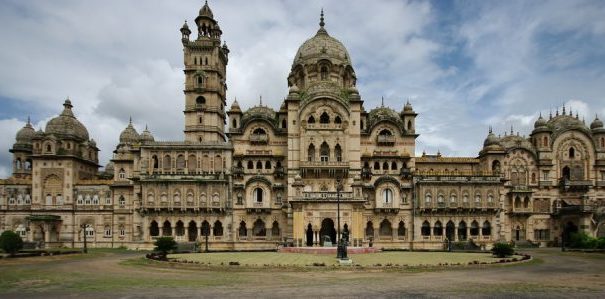
Vadodara, also known as Baroda, is one of the major cities in the Indian state of Gujarat. It is the third-largest city in the state after Ahmedabad and Surat and serves as an important cultural, educational, and industrial center.
According to the provisional reports of Census India 2011, Vadodara city had a population of 1,670,806 (16.70 lakh). Over the last decade, the city has experienced steady growth due to urban expansion, industrial development, and migration.
Based on past growth trends, the population of Vadodara has continued to rise, and the city is expected to remain one of Gujarat’s fastest-growing urban centers in the coming years.
👉 Projected Population of Vadodara City (2026): ~25 lakh
Vadodara City Population (Census 2011)
| Category | Data |
|---|---|
| Total Population | 1,670,806 (16.70 Lakh) |
| Male Population | 869,647 |
| Female Population | 801,159 |
| City Area | 260 sq. km |
| Population Density | 6,426 per sq. km |
| Literacy Rate | 90.63% |
| Male Literacy | 93.83% |
| Female Literacy | 87.18% |
| Sex Ratio | 921 |
| Child Sex Ratio | 852 |
| Children (0–6 Years) | 165,559 |
Source: Census 2011
Key Takeaways: Vadodara Population
As per Census 2011, Vadodara had a population of 16.70 lakh, making it one of the major urban centers in Gujarat.
The city recorded a population growth rate of 24.85% during 2001–2011, indicating rapid urban development.
Vadodara has a high literacy rate of 90.63%, which is among the highest in the state.
The sex ratio of 921 females per 1000 males is better than many other large Indian cities.
With continued infrastructure and economic growth, Vadodara’s population is projected to increase steadily in the coming years.
Vadodara Historical Population
As per Census 2011, Vadodara has a population growth rate of 24.85% during 2001-2011. It’s expected to have a population growth rate of 16% during 2011-2021.
At the start of the 20th century, the Vadodara population was one lakh people & it took 50 years to double it. After the formation of Gujarat State population saw a steady growth & reached 1 million in 1991 & around 2 million in 2022.
Let’s look at population and percentage change from Year 1901 to 2021.
| Year | Population | Actual Change | Percentage Change |
| 1901 | 103,790 | – | – |
| 1911 | 99,345 | -4,445 | -4.28% |
| 1921 | 94,712 | -4,633 | -4.66% |
| 1931 | 112,860 | 18,148 | 19.16% |
| 1941 | 153,301 | 40,441 | 35.83% |
| 1951 | 211,407 | 58,106 | 37.90% |
| 1961 | 309,716 | 98,309 | 46.50% |
| 1971 | 467,487 | 157,771 | 50.94% |
| 1981 | 734,473 | 266,986 | 57.11% |
| 1991 | 1,031,346 | 296,873 | 40.42% |
| 2001 | 1,338,244 | 306,898 | 29.76% |
| 2011 | 1,670,806 | 332,562 | 24.85% |
| 2021 (estimate) | 1,938,000 | 267,194 | 15.99% |
Sources: Census 2011
Vadodara District Population
Vadodara is a District in the state of Gujarat in western India. Vadodara District with a population of 4 million is the third most populous district of Gujarat. As per census 2011, the Vadodara District population is 41,65,626 (41.65 lakh) of which 21,53,736 are males and 20,11,890 are females. The literacy rate is 78.90% and the Male-Female Sex ratio is 934.
The Estimated population of Vadodara District in 2026 is 48 lakh.
| Vadodara District | Census 2011 |
| Total Population | 41,65,626 |
| Dist Area | 4,110 sq. km. |
| Pop. Density | 1000 per sq. km. |
| Average Literacy (%) | 78.90% |
| Sex Ratio | 934 |
| Child Sex Ratio | 897 |
Know more about Gujarat