> > India >> States >> Uttar Pradesh
Bareilly is a major city in the state of Uttar Pradesh and the largest urban center in the Rohilkhand region. It is the eighth-largest metropolitan city in Uttar Pradesh and among the top 50 most populous cities in India. Bareilly is also popularly known as “Nath Nagri” because of the presence of several ancient Shiva temples including Dhopeshwar Nath, Madhi Nath, Alakhnath, Tapeshwar Nath, Bankhandi Nath, Pashupati Nath, and Trivati Nath.
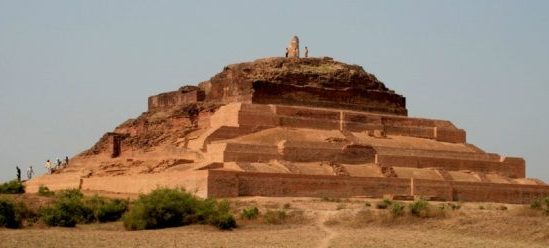
Historically, the region was also referred to as Sanjashya, which according to Buddhist tradition is the place where Lord Buddha descended from Tushita heaven to Earth.
As per the provisional reports of Census India 2011, the population of Bareilly city was 903,668 (9.03 lakh).
👉 Projected Population of Bareilly in 2026: ~12 lakh (1.2 million)
Bareilly City Demographics (Census 2011)
The population density of Bareilly city in 2011 was about 8,526 persons per sq. km, and the municipal area of the city covers approximately 106 sq. km.
| Bareilly City | Census 2011 |
|---|---|
| Total Population | 903,668 (9.03 Lakh) |
| Male Population | 476,927 |
| Female Population | 426,741 |
| Average Literacy Rate | 68.25% |
| Male Literacy | 72.74% |
| Female Literacy | 63.23% |
| Sex Ratio | 895 |
| Child Sex Ratio | 899 |
| Children (0-6 years) | 107,323 |
Bareilly Historical Population
Bareilly has experienced consistent population growth over the last century, especially after independence when urbanization and regional economic development increased migration into the city.
During 2001–2011, Bareilly recorded a population growth rate of 25.79%. The growth during 2011–2021 is estimated to have slowed slightly to around 16%.
| Year | Population | Change | % Change |
|---|---|---|---|
| 1901 | 133,167 | – | – |
| 1911 | 129,462 | -3,705 | -2.78% |
| 1921 | 129,459 | -3 | 0.00% |
| 1931 | 134,179 | 4,720 | 3.65% |
| 1941 | 180,526 | 46,347 | 34.54% |
| 1951 | 194,679 | 14,153 | 7.84% |
| 1961 | 257,059 | 62,380 | 32.04% |
| 1971 | 304,328 | 47,269 | 18.39% |
| 1981 | 419,970 | 115,642 | 38.00% |
| 1991 | 587,211 | 167,241 | 39.82% |
| 2001 | 718,395 | 131,184 | 22.34% |
| 2011 | 903,668 | 185,273 | 25.79% |
| 2021 (estimate) | 1,045,000 | 141,332 | 15.64% |
Bareilly District Population
Bareilly district is one of the major districts of western Uttar Pradesh. According to the Census 2011, the district had a total population of 4,448,359.
The district recorded a population growth rate of 23.4% during 2001–2011, with a population density of 1,084 persons per sq. km. Around 35.26% of the population lives in urban areas, while the rest resides in rural areas.
👉Estimated Population of Bareilly District in 2026: ~50 lakh (5 million)
| Bareilly District | Census 2011 |
|---|---|
| Total Population | 4,448,359 |
| Population Density | 1,084 per sq. km |
| Literacy Rate | 60.52% |
| Sex Ratio | 883 |
| Urban Population | 35.26% |
Religion in Bareilly District
| Religion | Percentage |
|---|---|
| Hinduism | 63.64% |
| Islam | 34.54% |
| Sikhism | 0.63% |
| Others / Not Stated | 1.19% |
Bareilly district has a significant Muslim population, making it one of the districts in western Uttar Pradesh with a relatively high religious diversity.
Languages Spoken in Bareilly District
According to the 2011 Census of India, the majority of the population in Bareilly district speaks Hindi as their first language.
| Language | Percentage |
|---|---|
| Hindi | 90.76% |
| Urdu | 8.48% |
| Punjabi | 0.47% |
| Others | 0.29% |
Hindi serves as the primary language for administration and education, while Urdu is widely spoken in urban areas of the district.
Know more about Uttar Pradesh