> > India >>  States >>  Bihar

Muzaffarpur is a major city in the Indian state of Bihar and is the fourth-largest city in the state. It is situated on the banks of the Burhi Gandak River and is well known for its rich cultural heritage, agricultural economy, and educational institutions. The city is famous for producing Shahi Litchi, which has received international recognition for its quality and taste.

Muzaffarpur is home to several important institutions, including the Bihar Agriculture University, one of the leading agricultural universities in India. The city also has notable landmarks such as Baba Garibnath Temple, Ram Chandra Shahi Museum, and Jubba Sahni Park, making it an important cultural and religious center in North Bihar.

As per the Census of India 2011, the population of Muzaffarpur City was 3,51,838 (3.52 lakh). Based on recent estimates, the population of Muzaffarpur in 2026 is around 5.30 lakh, indicating steady urban growth.

👉 Projected Population of Muzaffarpur City (2026): ~5.30 lakh

Census 2011 Key Highlights

According to the 2011 Census of India, Muzaffarpur city had a total population of 3.52 lakh (351,838). The city recorded a high average literacy rate of 85.16%, with male literacy at 88.83% and female literacy at 81.05%, reflecting strong educational development.

The sex ratio stood at 890 females per 1,000 males, while the child sex ratio was 897. Children in the 0–6 years age group accounted for nearly 12% of the total population.

Muzaffarpur had a population density of about 3,784 persons per sq. km, spread over an administrative area of nearly 93 sq. km, indicating moderate urban expansion.

Demography Quick Facts (Census 2011)

CategoryTotalMaleFemale
Population351,838 (3.52 lakh)186,145165,693
Children (0–6)42,27622,28719,989
Literacy Rate (%)85.1688.8381.05
Sex Ratio890
Child Sex Ratio897
Population Density3,784 / sq. km

Source: Census of India 2011

🔗Also read about: Top Cities in Bihar by population

Muzaffarpur District Population Overview

Muzaffarpur is one of the 38 districts of Bihar and serves as the headquarters of the Tirhut Division. The district is an important administrative, agricultural, and commercial center in North Bihar and is well known for litchi cultivation and allied agro-based industries.

As per the Census of India 2011, the population of Muzaffarpur district was 48.01 lakh (4,801,062), with 25.27 lakh males and 22.74 lakh females. The district recorded an average literacy rate of 63.43%, while the sex ratio stood at 900 females per 1,000 males. The child sex ratio was 915, indicating gradual improvement in gender balance.

Based on recent estimates, the population of Muzaffarpur district in 2026 is around 64 lakh, reflecting steady demographic growth.

👉 Projected Population of Muzaffarpur District (2026): ~64 lakh

Census 2011 Key Highlights

According to the 2011 Census of India, Muzaffarpur district had a total population of 4,801,062 (48.01 lakh). The district covers an area of about 3,172 sq. km and had a population density of 1,514 persons per sq. km, making it one of the more densely populated districts in Bihar.

The district recorded an average literacy rate of 63.43%, showing moderate progress in education over the past decade. Key demographic indicators reflect ongoing social and developmental changes in the region.

Demography Quick Facts (Census 2011)

CategoryTotalMaleFemale
Population4,801,062 (48.01 lakh)2,527,4972,273,565
Literacy Rate (%)63.43
District Area3,172 sq. km
Population Density1,514 / sq. km
Sex Ratio900
Child Sex Ratio915

Source: Census of India 2011

🔗Also read about: List of Districts in Bihar
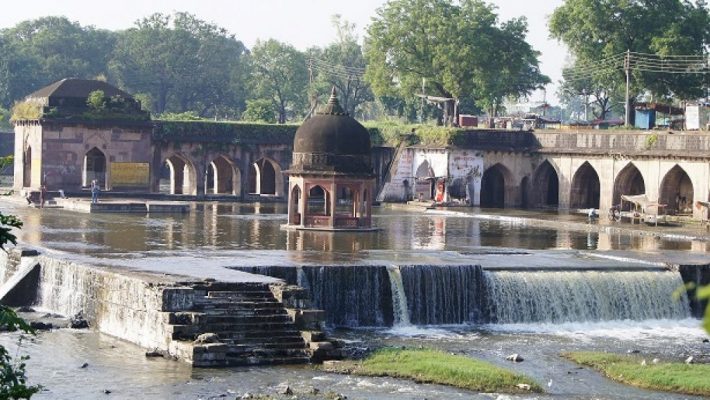
Muzaffarpur Population 2026 – City & District Census, Growth and Demographics

Rajeev Rana

Rajeev Rana is an independent writer and researcher with a strong interest in history, population studies, and demographic trends in India and North America. He has been writing on demography-related topics for over five years, focusing on census data, migration patterns, ethnicity, and regional population changes. While not a formally certified demographer, Rajeev closely follows official data releases from government sources, census authorities, and reputable research institutions. His work aims to present complex demographic information in a clear, accessible, and neutral manner for readers seeking factual insights and broader context. Rajeev contributes to multiple informational websites and has particular familiarity with demographic and regional trends in the Delhi NCR region. His writing is driven by curiosity, data interpretation, and a commitment to accuracy rather than advocacy or opinion