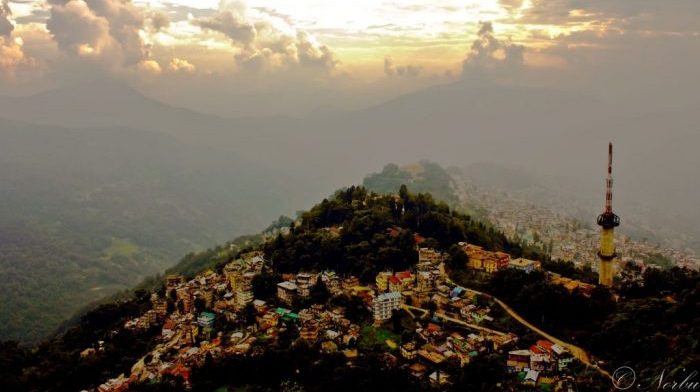
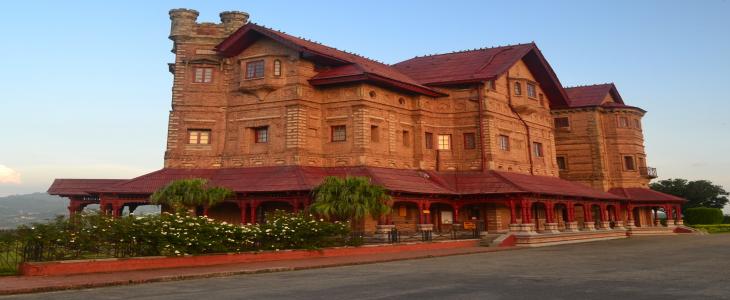
Darbhanga is one of the major cities of Bihar and is regarded as one of the oldest urban centers in the state. It serves as the headquarters of Darbhanga district and Darbhanga division. The city is popularly known as the “Cultural Capital of Bihar” and the “Heart of Mithilaanchal”, reflecting its strong cultural, literary, and historical heritage.
The name Darbhanga is believed to be derived from “Dwar Banga” or “Dari-Banga”, meaning the “Door of Bengal.” The city plays an important role in education, trade, and administration in North Bihar and continues to grow as a regional hub.
As per the Census of India 2011, the population of Darbhanga City was 2,94,116 (2.95 lakh). Based on recent estimates, the population of Darbhanga in 2026 is around 4.40 lakh, indicating steady urban expansion.
👉 Projected Population of Darbhanga City (2026): ~4.40 lakh
Census 2011 Key Highlights (Darbhanga City)
According to the 2011 Census of India, Darbhanga city had a total population of 2.95 lakh (294,116). The city recorded an average literacy rate of 80.88%, with male literacy at 86.43% and female literacy at 74.68%, reflecting strong educational development.
The sex ratio stood at 898 females per 1,000 males, while the child sex ratio was 905. Children in the 0–6-year age group accounted for nearly 11.80% of the total population.
Darbhanga had a population density of about 15,480 persons per sq. km, spread over an administrative area of nearly 19 sq. km, making it one of the most densely populated cities in Bihar.
Also read about: Top Cities in Bihar by Population
Demography Quick Facts
| Category | Total | Male | Female |
|---|---|---|---|
| Population | 294,116 (2.95 lakh) | 154,970 | 139,146 |
| Children (0–6) | 40,392 | 21,202 | 19,190 |
| Literacy Rate (%) | 80.88 | 86.43 | 74.68 |
| Sex Ratio | 898 | — | — |
| Child Sex Ratio | 905 | — | — |
| Population Density | 15,480 / sq. km | — | — |
Source: Census of India 2011
Darbhanga District Population Overview
Darbhanga is one of the 38 districts of Bihar and forms an important part of the Mithila region. The district is known for its cultural heritage, agriculture-based economy, and educational institutions, contributing significantly to the state’s development.
As per the Census of India 2011, the population of Darbhanga district was 39.37 lakh (3,937,385), with 20.60 lakh males and 18.77 lakh females. The district recorded an average literacy rate of 56.56%, while the sex ratio stood at 911 females per 1,000 males. The child sex ratio was 931, showing relatively balanced gender indicators among children.
Based on recent estimates, the population of Darbhanga district in 2026 is around 48 lakh, reflecting continued demographic growth.
👉 Projected Population of Darbhanga District (2026): ~48 lakh
Demography Quick Facts (Darbhanga District – Census 2011)
| Category | Total | Male | Female |
|---|---|---|---|
| Population | 3,937,385 (39.37 lakh) | 2,059,949 | 1,877,436 |
| Literacy Rate (%) | 56.56 | — | — |
| District Area | 2,279 sq. km | — | — |
| Population Density | 1,728 / sq. km | — | — |
| Sex Ratio | 911 | — | — |
| Child Sex Ratio | 931 | — | — |
Source: Census of India 2011
Also read about: List of Districts in Bihar
Know more about Bihar