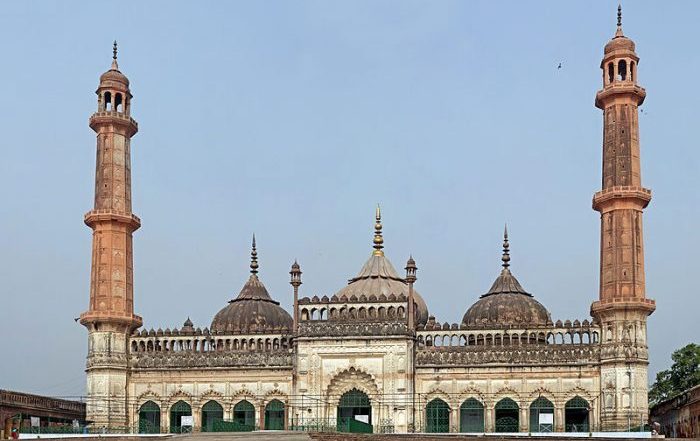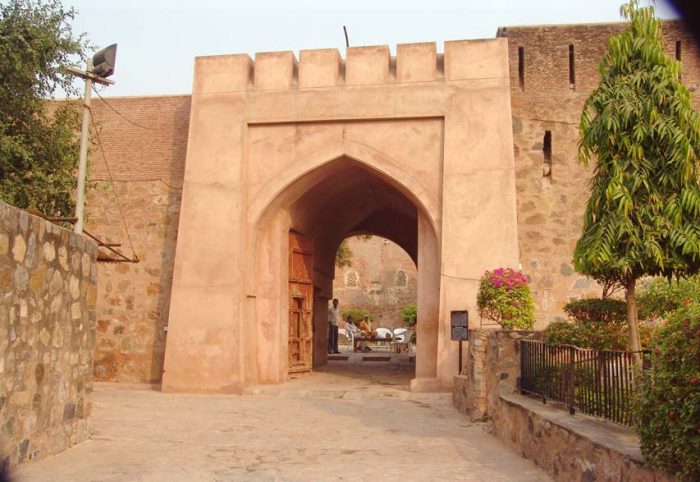
Hisar is an important city in the Indian state of Haryana and is believed to be one of the oldest continuously inhabited places in the region, with roots linked to the Indus Valley Civilisation. The city is located about 164 km west of New Delhi and serves as a major agricultural, educational, and commercial center.
Due to its historical importance and growing infrastructure, Hisar has emerged as a key urban hub in western Haryana. The presence of universities, industries, and transport connectivity has supported steady population growth.
As per the Census of India 2011, Hisar city had a population of 3,01,383 (3.01 lakh). Since then, gradual urban expansion and migration have contributed to a further increase in population.
Projected Population of Hisar City (2026)
Considering the estimated 2021 population of about 3.40 lakh, moderate urban growth, and continued development in western Haryana, Hisar city is expected to maintain steady expansion.
At an average annual growth rate of around 3.6–4%, the projected population of Hisar city in 2026 is:
Approximately 4.7 lakh to 5.0 lakh
Census 2011 Population Details
| Category | Total | Male | Female |
|---|---|---|---|
| Population | 3,01,383 | 1,63,231 | 1,38,152 |
| Children (0–6) | 34,060 | 18,596 | 15,464 |
| Literacy Rate | 84.65% | 90.23% | 78.06% |
| Sex Ratio | 846 | – | – |
| Child Sex Ratio | 832 | – | – |
Source: Census 2011
Key Takeaways
Hisar is one of the oldest cities in Haryana with links to the Indus Valley Civilisation.
The city recorded a population of 3.01 lakh in Census 2011.
Literacy rate stood at 84.65%, indicating good educational development.
Sex ratio in 2011 was 846 females per 1,000 males, while child sex ratio was 832.
Children (0–6 years) formed about 11.3% of the total population.
Projected Population of Hisar City (2026): ~4.7–5.0 lakh
Hisar Historical Population
Hisar has experienced consistent population growth over the last century, especially after 1961, supported by agricultural development and the expansion of educational institutions.
| Year | Population | Actual Change | Percentage Change |
|---|---|---|---|
| 1901 | 17,647 | – | – |
| 1911 | 17,162 | -485 | -2.75% |
| 1921 | 21,415 | 4,253 | 24.78% |
| 1931 | 25,179 | 3,764 | 17.58% |
| 1941 | 28,618 | 3,439 | 13.66% |
| 1951 | 35,297 | 6,679 | 23.34% |
| 1961 | 60,222 | 24,925 | 70.62% |
| 1971 | 89,437 | 29,215 | 48.51% |
| 1981 | 1,31,309 | 41,872 | 46.82% |
| 1991 | 1,72,677 | 41,368 | 31.50% |
| 2001 | 2,56,689 | 84,012 | 48.65% |
| 2011 | 3,01,383 | 44,694 | 17.41% |
| 2021 (Est.) | 3,40,000 | 38,617 | 12.81% |
Source: Census 2011 and Estimates
Hisar District Population
Hisar District is one of the major districts of Haryana and plays an important role in agriculture, education, and regional administration. The district also hosts several research and training institutions.
As per Census 2011, Hisar District had a population of 17,43,931 (17.43 lakh), including 9,31,562 males and 8,12,369 females. The literacy rate was 72.89%, while the sex ratio stood at 872.
Estimated Population of Hisar District (2026)
Based on recent growth patterns, the population of Hisar District in 2026 is estimated to be around 21 lakh.
Know more about Haryana