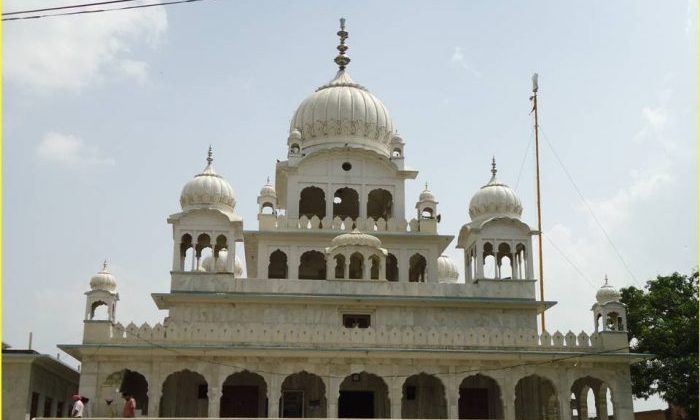
Tirupati is a city in the Indian state of Andhra Pradesh. Located 750 km southwest of Visakhapatnam, it is the 9th most populous city in Andhra Pradesh. The city is home to the important Hindu shrine of Tirumala Venkateswara Temple and other historic temples and is referred to as the “Spiritual Capital of Andhra Pradesh”. As per provisional reports of Census India, the population of  Tirupati City in 2011 was 287,035 (2.87 Lakh)

Projected population of Tirupati in 2026 is  4.20 lakh

Census 2011 Key Highlights

As per Census 2011, Rajahmundry had a population of 4.99 lakh with a literacy rate of 84.10% and a sex ratio of 958 females per 1,000 males. Children aged 0–6 formed nearly 8.58% of the total population. The city had a population density of 10460 people per sq. km. Tirupati city administrative area is 27.44 sq. km

Demography Quick Facts

IndicatorsValue
Total Population287,035 ( 2.87 lacs)
Male Population145,977
Female Population141,058
Density of Population10460 per sq. km
Average Literacy (%)87.55 %
% of Male Literates92.74 %
% of Female Literates82.21 %
Sex Ratio966
Child Sex Ratio915
Children (0-6 years)24,643
Boys (0-6yrs)12,869
Girls  (0-6 Yrs)11,774

Sources: Census 2011

Tirupati District Population

Tirupati District formed from a part of earst while Chittoor District and a part from earst while SPSR Nellore District on 4th April 2022, when the Districts re-organized in Andhra Pradesh State. As per the 2011 census, the Tirupati District population is 21,96,984 (22 Lakh) and its estimated population in 2024 is 28 lakh.

Tirupati DistrictCensus 2011
Total Population21,96,984 (22 Lakh)
Total Area8,231 sq. km
Density270 per sq. km
Average Literacy (%)75.4%
Sex Ratio1000
Tirupati Population 2026 – City & District Census, Growth and Demographics

Rajeev Rana

Rajeev Rana is an independent writer and researcher with a strong interest in history, population studies, and demographic trends in India and North America. He has been writing on demography-related topics for over five years, focusing on census data, migration patterns, ethnicity, and regional population changes. While not a formally certified demographer, Rajeev closely follows official data releases from government sources, census authorities, and reputable research institutions. His work aims to present complex demographic information in a clear, accessible, and neutral manner for readers seeking factual insights and broader context. Rajeev contributes to multiple informational websites and has particular familiarity with demographic and regional trends in the Delhi NCR region. His writing is driven by curiosity, data interpretation, and a commitment to accuracy rather than advocacy or opinion